
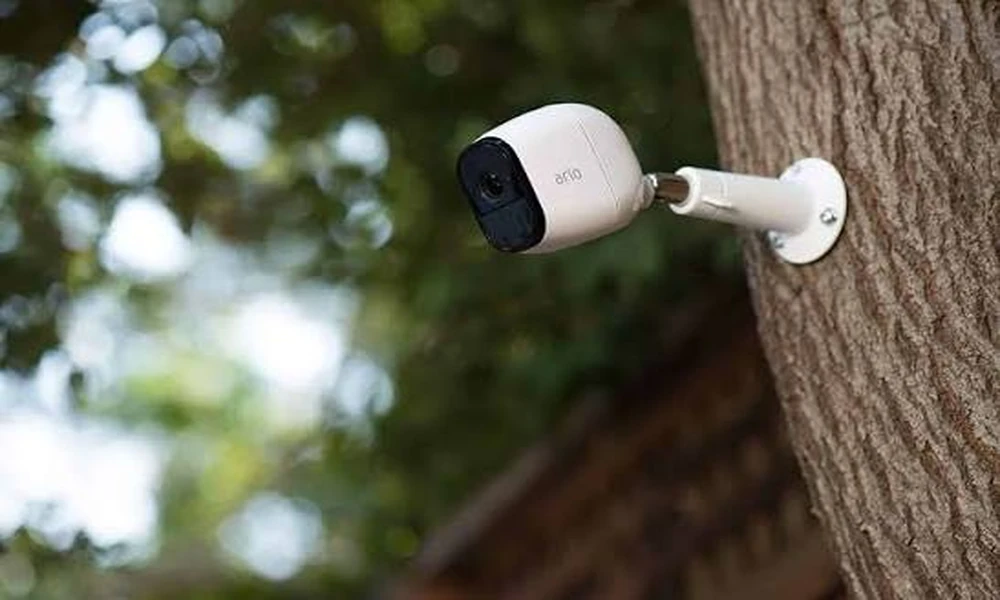
Nobody sets out to leave part of a property unprotected. It usually happens because the obvious places are dealt with first. The office gets a camera. The reception area follows. The main entrance is covered before anyone starts thinking about the far gate, the storage yard or the path leading towards the back of the property.
Those forgotten spaces are often what lead people to consider solar powered security cameras, especially when extending electricity feels like a much bigger project than installing the camera itself. The interesting part is that the camera is rarely the real challenge. Everything around it is.
A Long Cable Can Change An Entire Project
Walk across a large property and the distance feels different on foot. A hundred metres does not sound particularly far until someone starts discussing trenching, electrical work and installation costs. Suddenly the simplest route no longer looks quite so simple.
That is why outdoor security is often planned differently from indoor security. The conversation begins with the landscape rather than the equipment.
Some locations already have power close by. Others have open ground, changing terrain or temporary facilities where permanent infrastructure never really made sense.
The Day Carries On Whether Anyone Is Present Or Not
Morning arrives. A gate opens. Vehicles come and go. Workers spread across different parts of the site. By lunchtime the place looks nothing like it did a few hours earlier.
Most of those moments disappear almost as quickly as they happen. A security camera quietly changes that. Instead of allowing the day to fade into memory, it creates a record that can be revisited whenever questions appear later.
Not because every day brings an incident. Because sometimes an ordinary Tuesday becomes important on Friday.
The Environment Usually Decides More Than The Specification Sheet
People naturally compare image quality, storage and camera resolution. Those things matter. Yet outdoor deployments often depend on questions that are far less glamorous.
Can the equipment be installed without major disruption?
Will it continue operating through changing weather?
If the layout changes six months from now, does everything need to start again?
The technology adapts to the site instead of asking the site to adapt first.
Nobody Chooses One Because It Looks Interesting
The decision is usually practical. A remote entrance has become busier. Equipment is being stored further away than before. A temporary compound now looks as though it may stay for another year.
Businesses researching solar powered security cameras are normally responding to changes that have already happened rather than chasing the latest technology. They want dependable security coverage without creating another construction project just to supply electricity to a camera.
That practical thinking explains why solar-powered security now appears across farms, construction sites, storage facilities and temporary locations where flexibility matters just as much as image quality.
Every Location Solves A Different Problem
| Location | What Usually Drives The Decision |
|---|---|
| Rural entrance | Covering distant access points |
| Construction site | Relocating cameras as work progresses |
| Storage yard | Coverage without extending power |
| Temporary compound | Fast installation with minimal disruption |
| Agricultural property | Visibility across large outdoor areas |
The similarities are easy to miss at first. Each place looks different. Each business operates differently. Yet they all arrive at the same question. How do you protect an area that was never built around conventional infrastructure?
Good Outdoor Security Feels As Though It Belongs There
Perhaps that is the quiet success of modern solar security. After installation, people stop thinking about how the system receives power. They simply expect it to continue recording while seasons change, gates open, vehicles arrive and another working day comes to an end.